
In today’s hyper-competitive marketplace, advertising is no longer about shouting the loudest—it’s about speaking the most clearly to the right audience. And that clarity begins with understanding buyer preferences.
What Are Buyer Preferences?
Buyer preferences refer to the tastes, habits, values, and expectations that influence how consumers make purchasing decisions. These preferences are shaped by factors like:
– Demographics (age, gender, income)
– Psychographics (lifestyle, beliefs, interests)
– Behavioral patterns (shopping habits, brand loyalty)
– Cultural influences (regional trends, traditions)
Understanding these nuances allows advertisers to craft messages that resonate deeply, rather than just broadly.
Why They Matter in Advertising
1. Precision Targeting
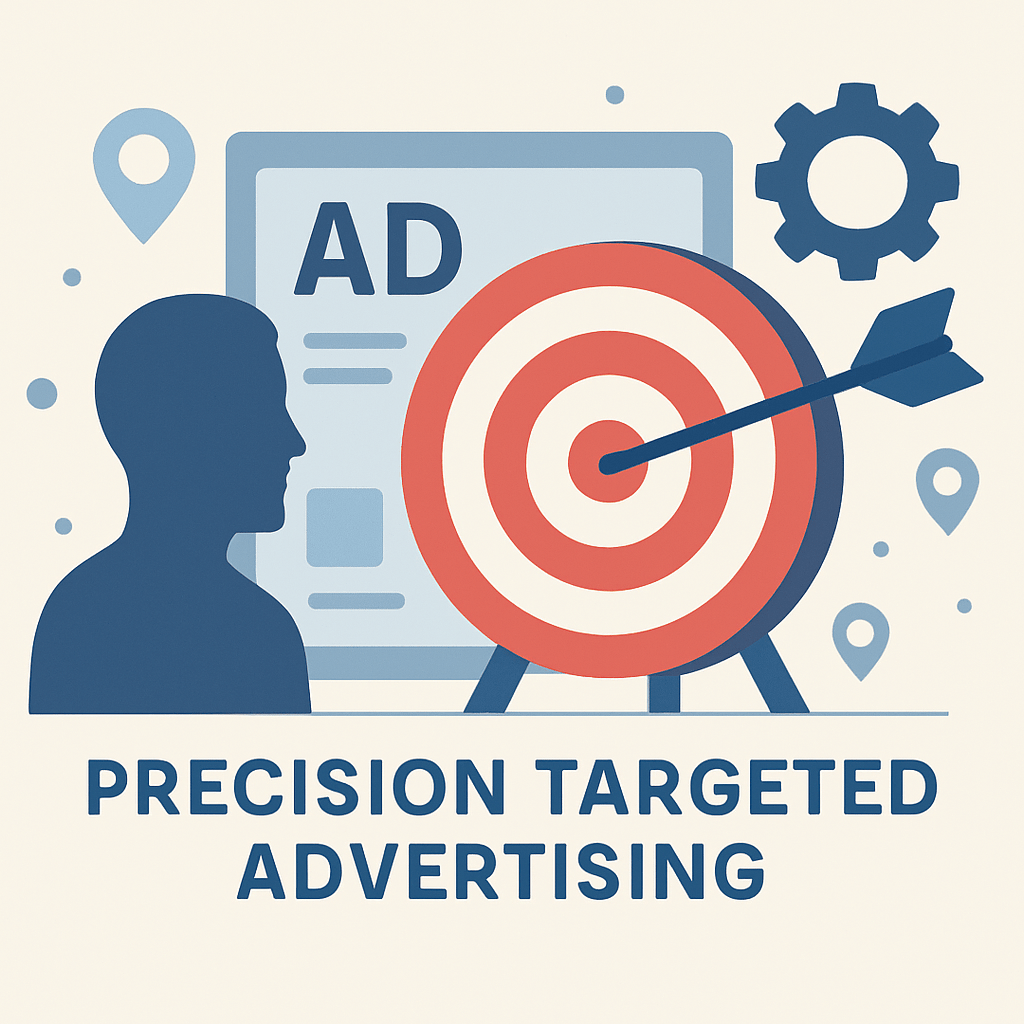
When advertisers know what buyers want, they can tailor campaigns that hit the mark. Instead of generic messaging, brands can deliver personalized content that feels relevant and timely.
> Example: A skincare brand targeting Gen Z might emphasize sustainability and cruelty-free ingredients, while the same brand might highlight anti-aging benefits for older consumers.
2. Improved ROI
Advertising budgets are finite. By aligning campaigns with buyer preferences, brands reduce wasted spend and increase conversion rates. Every rupee spent becomes more strategic.
3. Brand Loyalty & Trust
When consumers feel understood, they’re more likely to trust a brand. Ads that reflect their values and needs foster emotional connections, turning one-time buyers into lifelong advocates.
4. Product Development Feedback
Advertising isn’t just about selling—it’s also about listening. Buyer preferences revealed through ad engagement can guide product innovation and refinement.
How to Tap Into Buyer Preferences
– Surveys & Feedback Forms: Direct input from customers is gold.
– Social Media Listening: Track trends, hashtags, and sentiment.
– Purchase Data Analysis: Understand what’s selling, when, and to whom.
– A/B Testing: Experiment with different ad styles and messages to see what clicks.
The Future: Hyper-Personalization
With AI and machine learning, brands can now predict buyer behavior with astonishing accuracy. Ads are evolving from static billboards to dynamic, data-driven conversations. The more a brand understands its audience, the more it can anticipate needs before they’re even voiced.
—
Final Thought:
Advertising without buyer preference is like speaking without listening. In a world flooded with content, the brands that win are the ones that make their audience feel seen, heard, and valued.
 Make that Sale!
Leave a comment